
Fred Wellman
September 11, 2026 · Newsletter
Twenty-Five Years Later, We Still Owe Them
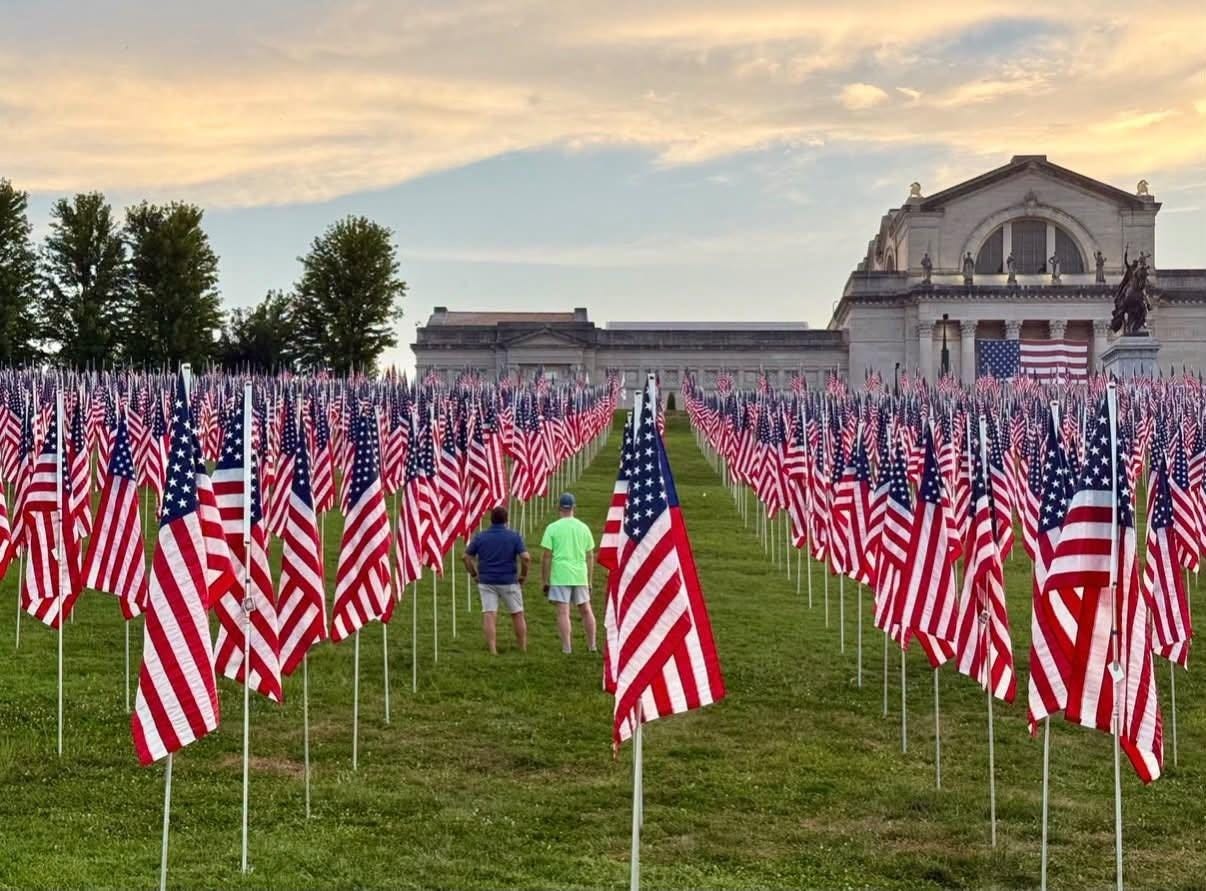
Twenty-five years ago, America woke up on an ordinary Tuesday morning.
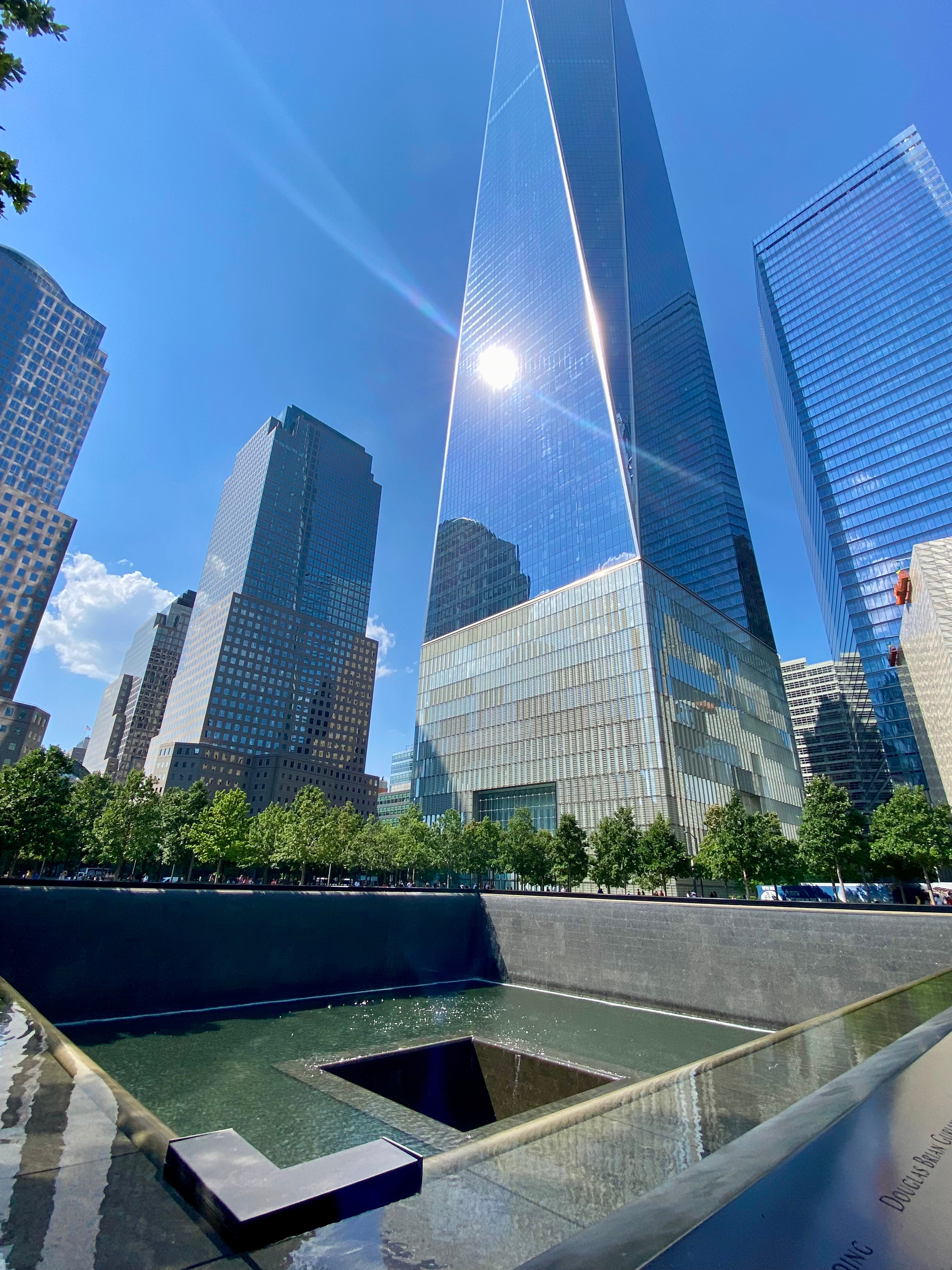
By the end of the day, nearly 3,000 people were dead. The World Trade Center was gone. Part of the Pentagon was burning. A field in Pennsylvania had become a graveyard because ordinary Americans aboard Flight 93 understood what was happening and decided to fight back. And millions of American lives had changed course.
Mine was one of them.
By September 11, 2001, I had already spent 13 years in the Army on active duty. I had graduated from West Point, flown helicopters in Desert Storm, lost men under my command, lost my wife and child, and learned more than I ever wanted to know about the human cost of war. But September 11 pushed me back toward the fight.
Like so many Americans, I watched our country attacked and understood immediately that whatever plans I had for the next chapter of my life had changed.
There are moments when history does that to you.
It interrupts. It asks something of you. And sometimes the only answer you can live with is ‘yes.’
In the years that followed, I served multiple tours in Iraq. I watched young Americans leave their families and travel halfway around the world because their country asked them to. I watched them do extraordinary things in extraordinarily difficult circumstances.
I also watched what war costs. That cost cannot be measured only in names carved into stone.
It is measured in empty chairs at dinner tables. Children growing up without parents. Marriages strained by deployment after deployment. Bodies that come home changed. Minds that come home carrying things nobody else can see.
It is measured in the families who serve right alongside the person wearing the uniform, even though we rarely give them a medal for it.
And it is measured in the people who come home and spend years trying to understand who they are after war.
Public service is often sacrifice
That is the cost of public service at its most extreme. You accept that sometimes the country will ask more of you than seems reasonable. Sometimes it will ask for years. Sometimes it will ask for your health. Sometimes it will ask your family to sacrifice alongside you.
And sometimes it asks for everything. This is why leadership matters so much.
The men and women we elect to office will probably never meet most of the servicemembers whose lives can be changed by a vote they cast. They may never sit across from their parents. They may never have to explain to a spouse why someone they loved is not coming home.
But they still carry responsibility for those lives.
I know what it feels like to make decisions that put people in danger.
I know what it feels like when somebody does not come back. There is nothing abstract about it.
When you hold public office, decisions about war and peace cannot become another opportunity to posture for television or prove how tough you are. Sending Americans into danger should be among the most difficult decisions any elected official ever makes.
Leadership requires understanding the cost before asking somebody else to pay it.
September 11th changed America in ways we are still trying to understand. We fought wars. We built enormous new security institutions. We changed how we travel and how we think about threats. We spent trillions of dollars. Thousands of American servicemembers died in the wars that followed, and many thousands more came home wounded.
Our politics changed too
Fear became a powerful political currency. Patriotism was sometimes confused with unquestioning loyalty. Serious questions about war could be treated as weakness. In the years afterward, Americans learned painfully that even a nation acting from legitimate fear and grief can make consequential mistakes.
We should be capable of holding two truths at once:
America had every right to defend itself.
And the people entrusted with the power to send Americans to war have an obligation to exercise that power with extraordinary care and seek peace.
That is not weakness. That is leadership.
But when I think about September 11, I do not want to remember America only through the smoke and destruction.
I remember what happened next.
Firefighters climbed the stairs while everyone else was trying to get out. Police officers ran toward danger. Passengers aboard Flight 93 learned what was happening and fought back.
Doctors, nurses, construction workers, clergy, neighbors, volunteers, and strangers showed up because somebody needed them. Americans lined up to give blood. Young people walked into recruiting stations. Communities wrapped their arms around families they had never met.
For a moment, we remembered something fundamental about this country.
We are capable of taking care of one another.
That is the America worth remembering twenty-five years later.
Not because we were perfect after September 11. We were not.
Not because every decision we made afterward was right. It was not.
But because when confronted with unimaginable destruction, Americans refused to surrender to it.
We rebuilt. We served. We mourned. We kept going.
America is it’s people
That resilience is not something contained in the buildings of Washington. It lives in ordinary Americans who decide that when their community or country needs them, they will show up.
I have seen it throughout my life.
I saw it in soldiers in the desert. I saw it in veterans who continued serving long after they took off the uniform.
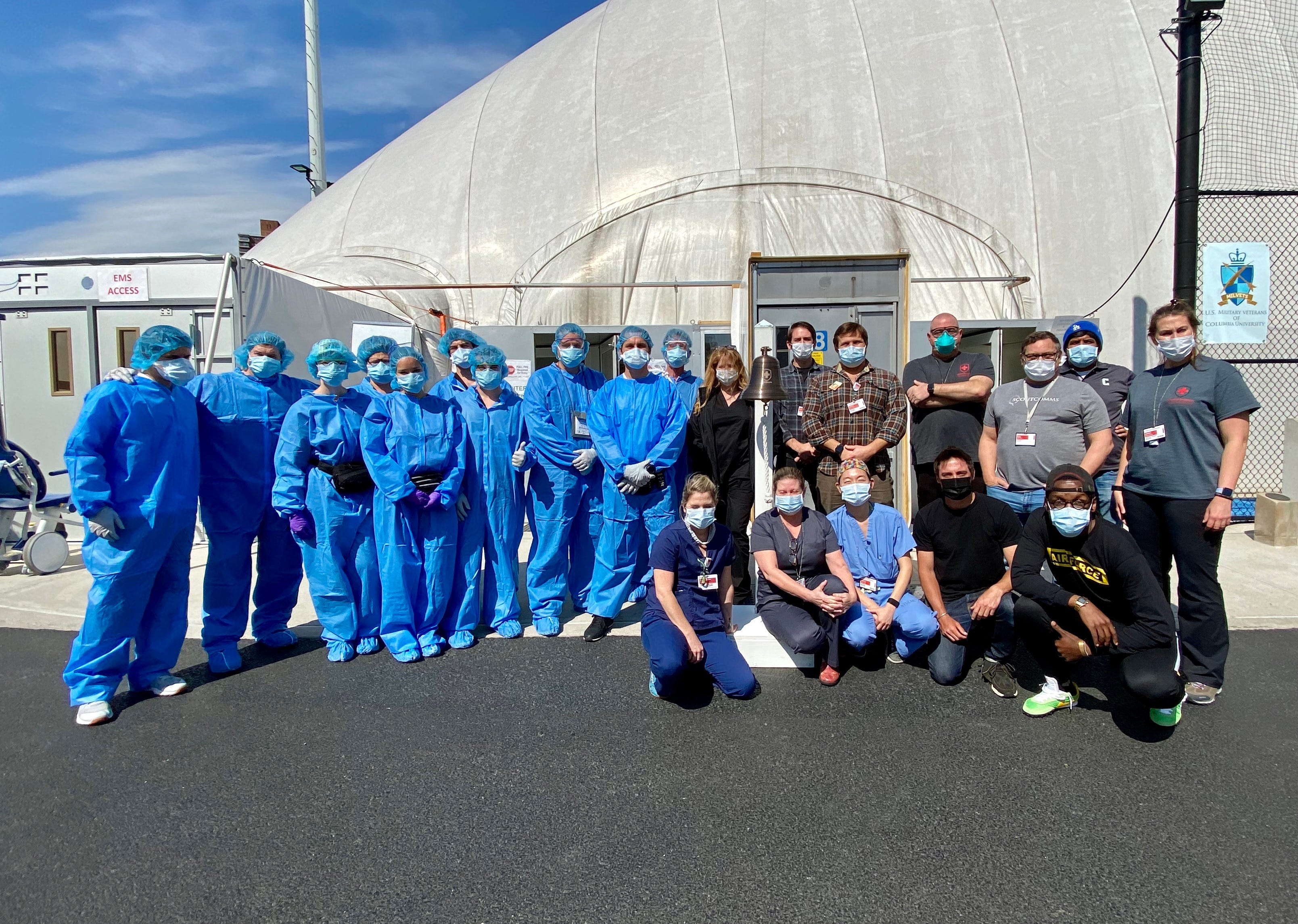
I saw it in New York during COVID, when medical professionals and volunteers walked into a different kind of danger because people needed them.
I have seen it in Missouri communities where neighbors take care of neighbors without stopping first to ask how they vote.
Twenty-five years after September 11, that is what I want us to remember.
America’s strength has never simply been our military power, our economy, or the buildings that make up our skyline.
It is our people. It is our willingness to get back up. It is our willingness to serve.
And it is our belief, tested again and again, that destruction does not get the final word.
Those of us who ask to lead this country owe something in return. We owe Americans seriousness. We owe them honesty. We owe them humility.
And before we ever ask another young American or another American family to carry the cost of a decision made in Washington, we owe them the discipline to understand exactly what we are asking.
Today, I remember the people we lost.
I remember those who ran toward danger. I remember everyone who answered the call in the years that followed, and the families who carried that service with them.
Most of all, I remember what America showed the world after the towers fell.
You can knock us down. You can hurt us. You can leave a hole in our skyline and in thousands of families that will never completely heal.
But you cannot decide what we become afterward. That choice is still ours.
I know what public service is
I have spent most of my adult life in public service, and I am running for Congress because I still believe deeply in what those words mean.
Public service is supposed to be about the public.
It is not a path to personal wealth, power, or celebrity. It is a responsibility you accept because people are trusting you with decisions that affect their families, their livelihoods, and sometimes their lives.
I know who I am running to represent in Washington. I know who I will answer to when I get there.
Twenty-five years after September 11, I have not forgotten what service costs, what leadership requires, or who public service is supposed to be for.
I never will.
The ‘On Democracy with FPWellman’ Substack Community is a reader-supported publication. To receive all new posts you can subscribe for free. To support my private work and ability to provide this content please become a paid subscriber. This is not a campaign contribution! It will be billed as UPEND Collective (UPND-WELL) on your credit card.