

Fred Wellman
September 10, 2026 · Newsletter
Congress Could Stop This Trade War
NOTE TO READERS:
As I prepared this deep dive with my team on the tariffs impact on our economy, we got news that the United States Supreme Court has rejected the latest attempt by Missouri Republicans to push through their outrageous mid-decade gerrymandered redistricting. We will be running on the 2022 map.
What does that mean for me? It means that this district is now one of the most flippable seats in the country. While it was Trump+8 in 2024 he is now underwater by as much as 10 points here now. Our poll shows my opponent even deeper underwater. She desperately wanted this new map to save her one more time.
It won’t.
I could use your help now more than at any time in the campaign. We are winning and now we need to push hard to election day in just 54 days. If you can afford it I would be grateful for your support for my campaign.
More costs, corruption, and chaos
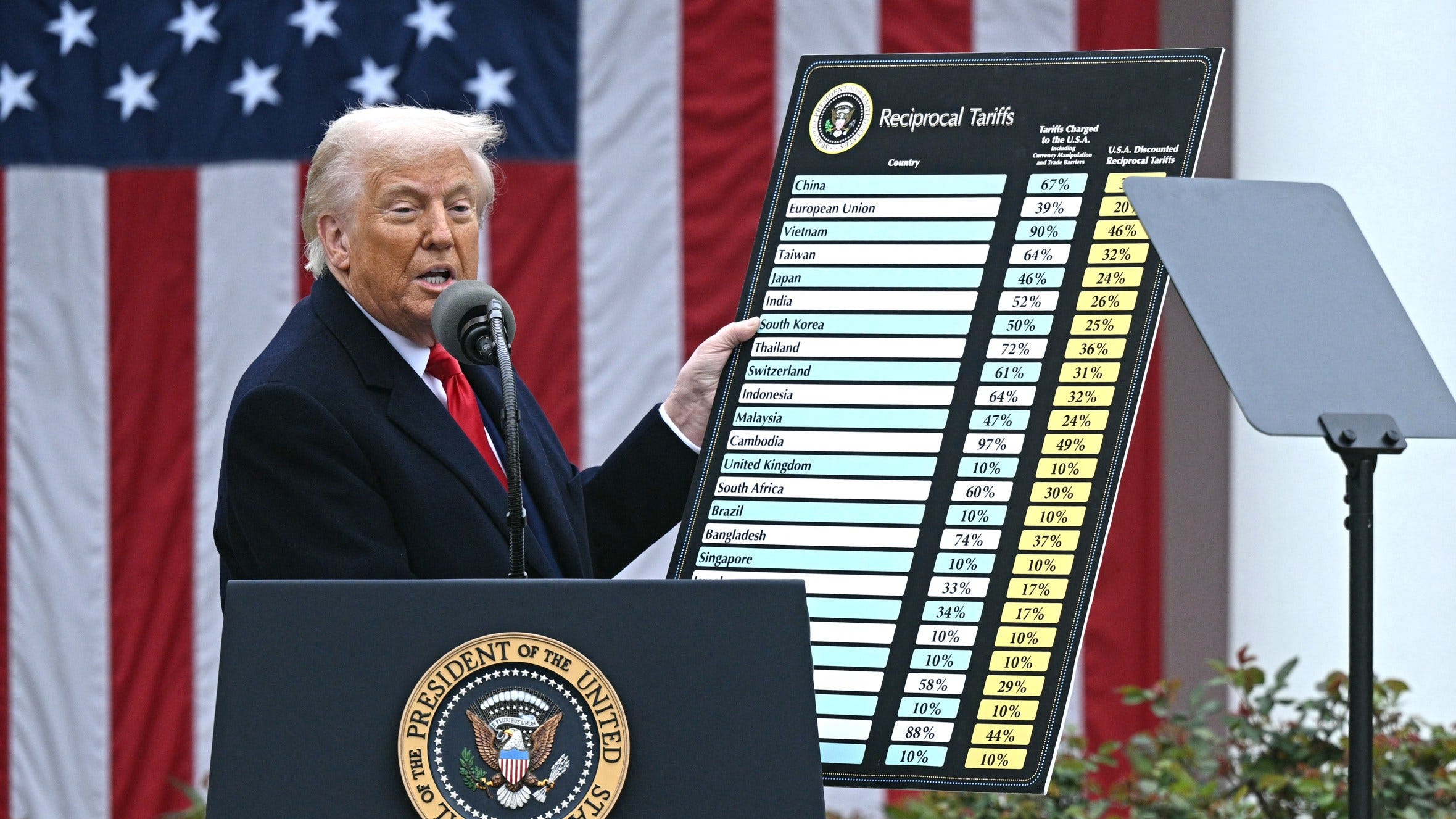
Families across the country did not need another reason for groceries, cars, home repairs and everyday necessities to cost more. On September 8, 2026, Canada’s retaliatory tariffs on $27.6 billion of American goods took effect, adding another layer of costs and uncertainty to the U.S.-Canada trade relationship. Canada imposed tariffs of 15, 25 and 50 percent on American products in response to U.S. tariffs on Canadian goods.
This is nothing but a failure of Congress to do their jobs. Over and over they have had a chance to abide by their oaths, to follow the Constitution but the cowardly Republican Congress wants nothing to do with it. They just want Trump to be happy.
This did not have to happen. Congress had tools available to challenge the administration’s tariff policy.
Here is how we got here. In July 2026, President Trump invoked Section 338 of the Tariff Act of 1930, an obscure Depression-era provision that had not previously been used to impose tariffs, after the Supreme Court struck down his earlier emergency tariffs. By August 2026, the administration had imposed 50 percent tariffs on billions of dollars of Canadian goods. Trade negotiations between the two countries broke down, and Canada responded with dollar-for-dollar retaliation. On September 8, those counter-tariffs took effect on American products including steel, dairy, appliances, agricultural equipment and electronics.
Tariffs raise costs and disrupt trade on both sides of the border. U.S. importers are responsible for duties on Canadian goods entering the United States, while Canadian importers pay Canada’s retaliatory tariffs on American products. Those added costs can ripple through supply chains, affecting manufacturers, exporters, businesses and consumers. The Budget Lab at Yale estimated in August 2026 that tariffs under then-current law would cost the average American household about $1,100 annually.
This isn’t theoretical money. It’s real. You know it when you go to the store.
Missouri is Ground Zero
My home state of Missouri has plenty at stake. Canada was Missouri’s largest export market in 2025, buying $5.8 billion in Missouri goods, about 31 percent of everything the state exported. Most Missouri exporters are small and midsize businesses. These are manufacturers, suppliers, farmers and employers across our region that have limited ability to absorb higher costs or lost sales. Disruptions in trade with Missouri’s biggest foreign customer create risks for Missouri businesses and workers.
In my district alone, manufacturing is the number two profession. It’s a direct hit on our economy.
Congress was never intended to be a spectator on trade policy. The Constitution gives Congress authority over foreign commerce and tariffs. In August 2026, members of Congress introduced the Banning Antiquated Duties and Delivering Equitable American Levies, or BAD DEAL, Act, legislation that would repeal Section 338 and refund duties collected under that authority. The House version was introduced on August 27, 2026, and referred to the Ways and Means Committee.
The Republican Doormat Congress therefore had mechanisms available to address the administration’s use of tariff authority.
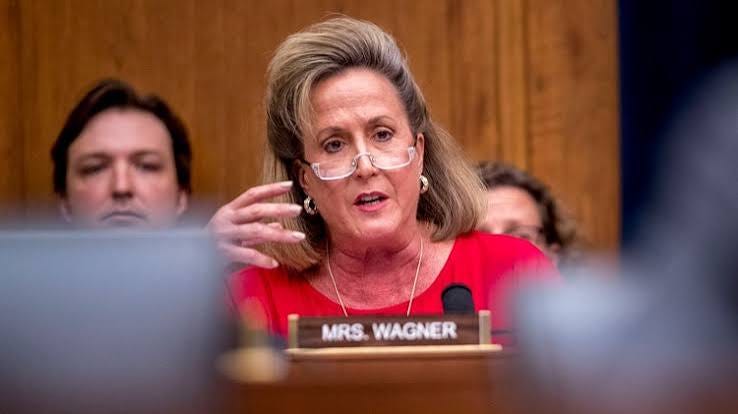
Rep. Ann Wagner faced a congressional vote on the administration’s Canadian tariff policy earlier this year. On February 11, 2026, the House voted 219-211 to terminate the national emergency underlying an earlier round of Canadian tariffs. Missouri Reps. Wesley Bell and Emanuel Cleaver supported the resolution, along with six House Republicans.
Wagner voted against it.
That vote provides a clear record of where she and Republican members of Congress stood when the House considered whether to limit the president’s tariff authority.
The later Section 338 dispute raised the same broader question about the balance of power between Congress and the executive branch. Legislation such as the BAD DEAL Act would reassert congressional authority over tariff policy and require lawmakers to take greater responsibility for decisions that affect prices, businesses and international trade.
The administration also signaled in September 2026 that additional trade measures against Canada remained possible, including measures affecting automobiles and steel. Whatever ultimately happens with those specific proposals, the larger issue remains: whether major changes in U.S. trade policy should occur through unilateral presidential action or require greater congressional involvement.
Congress has walked away from the Constitution
For decades, Congress has delegated significant trade authority to presidents of both parties. That raises questions about congressional responsibility regardless of who occupies the White House. During a trade dispute, those decisions can have direct consequences for families, businesses and workers through higher costs, disrupted supply chains and reduced access to export markets.
Missouri’s economic relationship with Canada is substantial, and decisions about that relationship have consequences far beyond Washington. Congress has constitutional authority over trade policy, and its members have the ability to determine how much of that authority they exercise.
This is all adding to the costs, corruption, and chaos we are constantly talking about on the campaign trail. Ann Wagner has completely abandoned her duties to protect her citizens in her pursuit of personal and political gain. She is all in on the corruption and chaos and it’s time for her to retire.
You have a chance to change all of this on November 3rd.
The ‘On Democracy with FPWellman’ Substack Community is a reader-supported publication. To receive all new posts you can subscribe for free. To support my private work and ability to provide this content please become a paid subscriber. This is not a campaign contribution! It will be billed as UPEND Collective (UPND-WELL) on your credit card.